 info@photosint.eu


Earlier stages of the PHOTOSINT project focused on developing and validating key materials and components at laboratory scale. Work Package 3, Pilot design and testing activities under industrial environment, represents a crucial step towards real-world implementation through pilot design and testing activities to validate the technology at TRL 4, with the aim of integrating and preparing PHOTOSINT technologies for operating in industrially relevant environments.

By bringing together expertise in photovoltaic technologies, photoelectrochemical systems, engineering design, and system integration, the work carried out in Work Package 3 (WP3) has transformed individual technological developments into integrated pilot platforms capable of demonstrating the potential of solar fuel production at larger scales.
From Laboratory Innovation to Pilot-Scale Systems
One of the central challenges in renewable energy research is bridging the gap between promising laboratory results and technologies that can operate reliably under industrial conditions. WP3 addresses this challenge by translating the scientific advances achieved throughout the project into scalable and robust systems.
The work package focuses on the design, optimisation, and integration of all major system components required for solar fuel production, including photovoltaic modules, photoelectrochemical (PEC) cells, light concentration systems, fluid handling equipment, and supporting infrastructure. Through a continuous process of testing, refinement, and validation, the consortium developed pilot solutions designed to meet the practical requirements of future industrial deployment.
Designing Large-Area Photovoltaic Modules for Integrated Operation
A key achievement of WP3 was the final design of advanced photovoltaic modules capable of supplying the electrical energy required by the integrated PEC systems.
Building upon previous developments in perovskite photovoltaic technology, the project partners worked to scale up laboratory devices into larger-area modules while maintaining high performance and operational stability. This process involved optimising material compositions, refining device architectures, and developing protective encapsulation strategies to ensure long-term durability.
The resulting photovoltaic modules provide the electrical foundation of the PHOTOSINT pilot systems. Their performance characteristics, operational requirements, and integration needs will inform many of the engineering decisions taken throughout the remainder of the work package, ensuring seamless interaction between power generation and solar fuel production.
Engineering Integrated PEC Tandem Systems
A second major focus of WP3 was the detailed design of integrated Photoelectrochemical tandem systems capable of converting solar energy into renewable fuels.
The design process involved multiple development cycles aimed at improving system efficiency, reliability, and scalability. Researchers evaluated different material combinations, mechanical configurations, sealing concepts, and thermal management approaches to create systems capable of operating under realistic conditions.
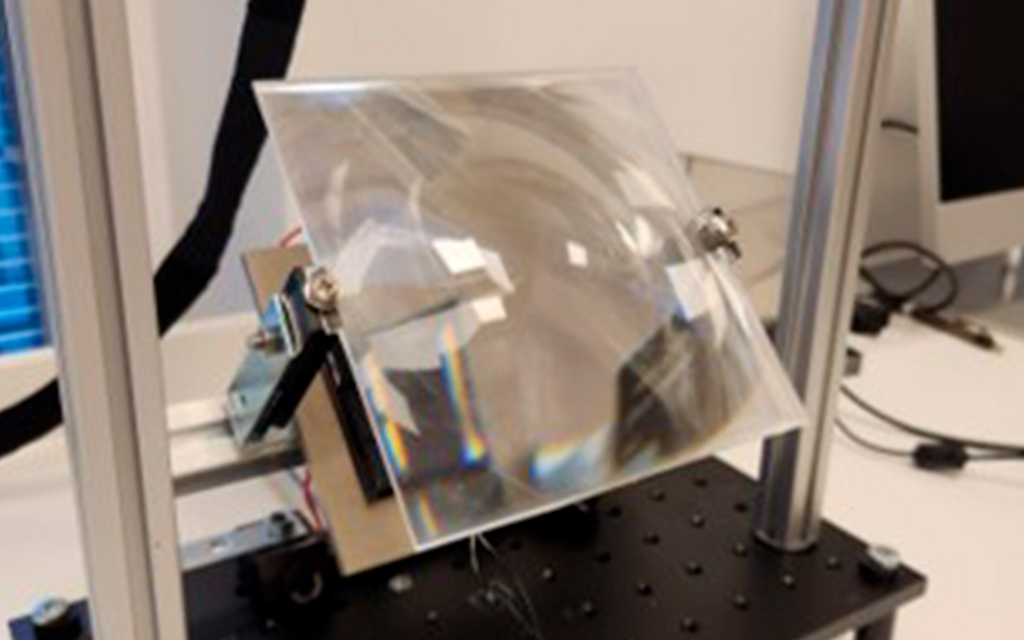
Particular attention was given to maximising the use of available solar energy through the integration of light concentration strategies. Fresnel lenses were extensively investigated as a means of enhancing solar irradiation on the active components, while alternative concentration approaches were also explored to increase operational flexibility and resilience.
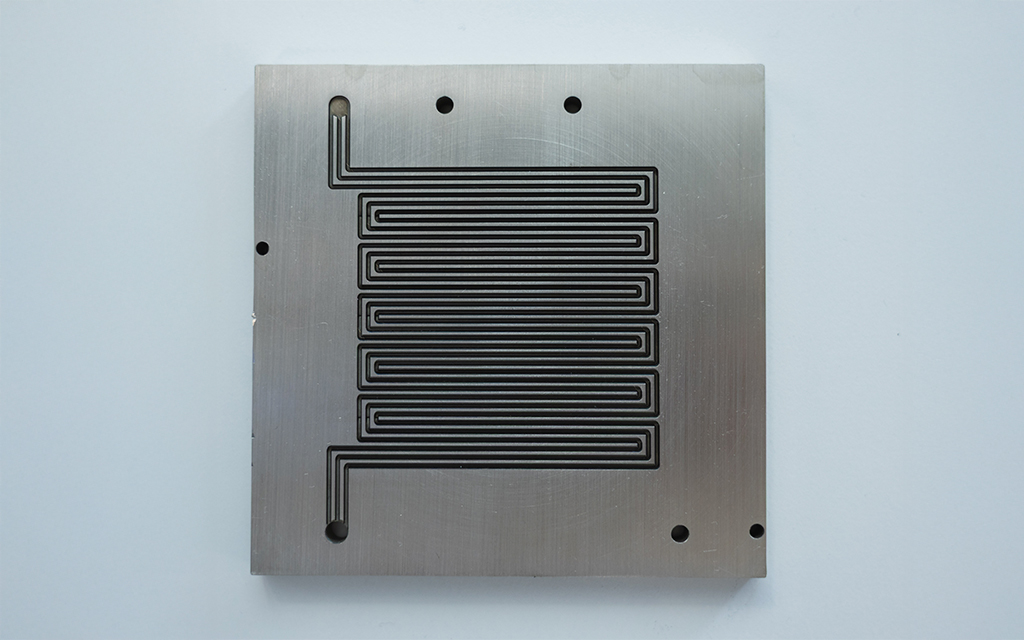
Beyond the core cell design, the consortium addressed a range of practical engineering challenges associated with pilot-scale operation. These included managing feedstock and product flows, minimising pressure losses, and selecting pumping solutions capable of supporting different operating conditions. The resulting designs offer flexibility through both parallel and serial flow configurations, allowing the systems to adapt to varying operational requirements.
Bringing All Components Together
The culmination of WP3 will be the full integration of all technological elements into complete pilot platforms ready for industrial testing.
This phase requires close coordination among project partners responsible for different system components. Photovoltaic modules, PEC cells, catalysts, pumps, optical elements, and auxiliary equipment need to be assembled into cohesive systems designed to operate as unified platforms.
The integration strategy prioritises modularity, allowing components to be assembled, maintained, and upgraded efficiently. This approach not only simplifies deployment but also improves compatibility with existing industrial infrastructures, an important consideration for future commercial implementation.
To ensure reliable operation, the consortium incorporated a range of risk mitigation measures into the pilot designs. Alternative optical concentration methods, robust sealing solutions, and carefully evaluated component interfaces were proposed to address potential operational challenges and improve overall system resilience.
A Process of Continuous Improvement
A defining characteristic of WP3 has been its iterative approach to development. Rather than following a strictly linear pathway, the work package relied on continuous feedback between design, testing, and integration activities.
Results obtained at each stage informed subsequent refinements, enabling the consortium to respond effectively to technical challenges and optimise system performance. This adaptive methodology proved essential for addressing the complexities associated with scaling advanced photoelectrochemical technologies from laboratory prototypes to pilot-scale systems.
The work also highlights the importance of evaluating technologies across multiple scales. Success at the material level must be translated into reliable module performance, which in turn must support efficient system-level operation.
Preparing the Path Towards Industrial Deployment
Beyond the technical achievements, WP3 has generated valuable knowledge regarding the opportunities and challenges associated with scaling solar fuel technologies. The work has confirmed the importance of system adaptability, highlighted the need for robust engineering solutions, and demonstrated the value of modular design approaches for future industrial applications.
Most importantly, the pilot systems being developed within WP3 will represent a significant step towards demonstrating photoelectrochemical solar fuel production in realistic industrial environments. By successfully integrating advanced photovoltaic modules, PEC technologies, and supporting infrastructure into cohesive pilot platforms, PHOTOSINT is helping to pave the way for future renewable fuel solutions capable of contributing to Europe's decarbonisation and sustainability goals.
As the project progresses, the foundations established in WP3 will support further testing, optimisation, and validation activities, bringing solar fuel technologies closer to practical deployment and commercial adoption.