 info@photosint.eu


How can industry use solar energy to produce useful fuels and chemicals when the Sun is not always shining?
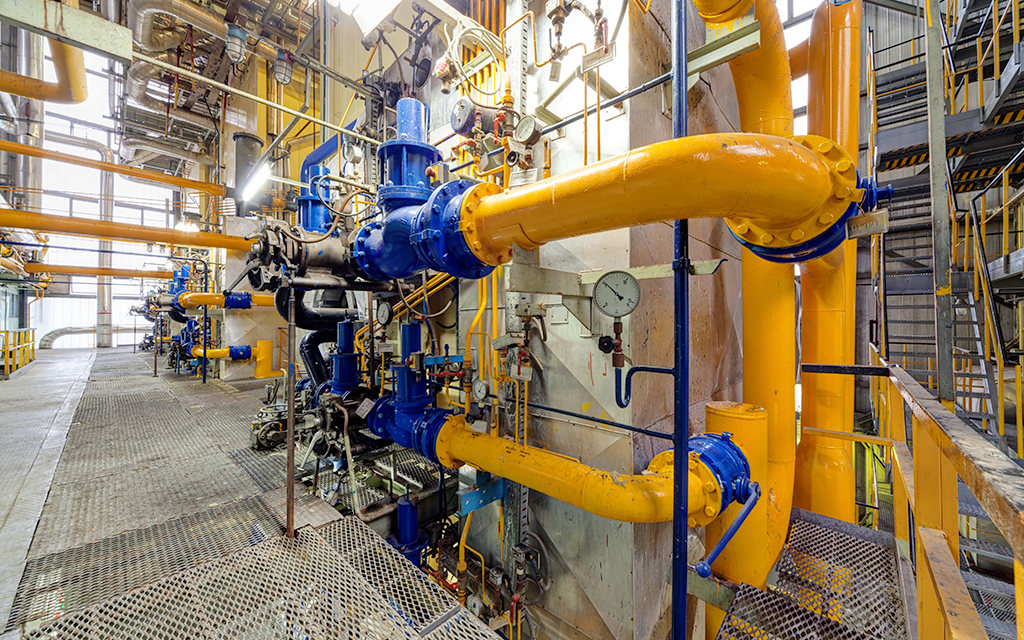
The PHOTOSINT project is exploring how renewable electricity, energy storage and electrochemical technologies can work together to convert water and carbon dioxide into products such as hydrogen and methanol. By combining energy generation, storage and chemical production within an integrated system, the project is investigating opportunities to reduce fossil-fuel dependence and make better use of locally available industrial resources.
Connecting solar power, storage and chemical production
Solar energy offers a renewable source of electricity, but its availability varies throughout the day and across the seasons. This creates a challenge for industrial processes that benefit from stable operating conditions or need to coordinate production with other activities on site.
PHOTOSINT examines how photovoltaic generation, battery storage and electrochemical production systems can be integrated to manage these variations. A digital modelling framework brings the three elements together, assessing how they interact over different timescales rather than treating each component in isolation.
The model considers how excess electricity generated during sunny periods could be stored and used when solar generation falls or stops. This could help support more stable operation, depending on the system’s energy demand, the available solar resource and the capacity of the storage installation. The analysis highlights that the relationship between energy supply and production requirements is just as important as the total amount of solar electricity generated over a year.
Turning industrial resources into useful fuels
Alongside energy management, PHOTOSINT investigates how solar-powered electrochemical systems could convert water into hydrogen and carbon dioxide into methanol. Both products have potential applications in industrial settings.
Hydrogen can serve as an energy carrier and an industrial feedstock, while methanol is used as a fuel and in chemical manufacturing. The project’s approach explores the possibility of producing these products using renewable electricity and locally available resources, including carbon-dioxide-rich industrial exhaust gases and suitable secondary water streams.
This creates an opportunity to connect renewable energy production with industrial resource management. Instead of viewing carbon-containing gas streams and water-based by-products solely as waste or emissions, the technology aims to investigate whether they can be incorporated into processes that produce valuable outputs.
However, using these resources requires more than the core electrochemical conversion step. Gas and water streams may need conditioning, while the system must also manage gas handling, product recovery and integration with existing industrial infrastructure. These supporting requirements can influence the energy demand, operational complexity and overall performance of the process.
Why system integration matters
The modelling work highlights that the performance of individual components does not necessarily determine the success of the complete system. The availability of solar electricity, the size of the storage installation, the operating requirements of the electrochemical devices and the efficiency of supporting equipment all influence how the system performs.
For example, improvements in electrochemical materials can increase product output or change the mix of products generated. Yet these gains do not automatically translate into substantially better economics at small scale, where fixed infrastructure and operating costs can remain significant. As systems grow, improved conversion performance may become more influential, but so too does the need to match production capacity with solar availability and storage.
The wider industrial assessment also identifies practical constraints. Producing meaningful quantities of hydrogen or methanol could require large installations and substantial space, while auxiliary equipment consumes energy that must be included in the overall assessment. Methanol production presents additional challenges related to conversion performance and efficient product recovery.
These findings underline the importance of evaluating the complete production system, rather than focusing on solar panels or electrochemical cells alone. Effective integration of energy generation, storage, conversion and supporting operations will be essential when assessing the technology’s suitability for different industrial applications.
From modelling to future industrial applications
The current studies provide a basis for evaluating possible system configurations and identifying where further development could have the greatest impact. Key priorities include improving conversion performance, better matching solar generation with production requirements, and increasing the efficiency of supporting processes.
Further work is also needed to refine the modelling assumptions, including the appropriate size and lifetime of battery storage, operating conditions and the economic and environmental performance of the integrated system. As additional pilot information becomes available, it can help improve the assessment and inform future design decisions.
Ultimately, PHOTOSINT is investigating how renewable electricity, energy storage and industrial resources could be brought together to produce useful fuels and chemicals on site. By linking solar energy management with hydrogen and methanol production, the project is building a foundation for assessing more flexible, resource-efficient and lower-carbon industrial processes. Further technical development and validation will be needed to establish how far these integrated systems can contribute to industrial energy and feedstock needs.