
 Contact
Stay Updated on the Latest Photosint Breakthroughs
Read the latest news on the Photosint innovations
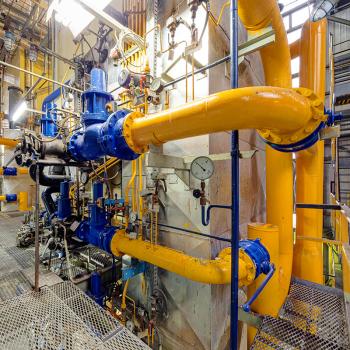
Integrating solar energy and storage for cleaner industrial fuels
How can industry use solar energy to produce useful fuels and chemicals when the Sun is not always shining?

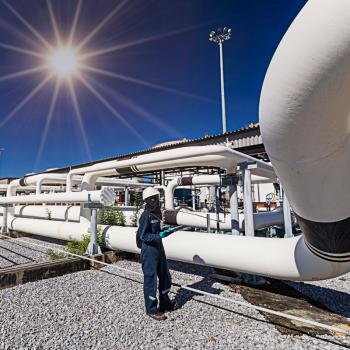
From prototype testing to pilot-scale solar-fuel production
PHOTOSINT is developing integrated solar-powered systems to produce hydrogen and methanol from water and carbon dioxide, bringing photoelectrochemical technologies closer to application in industrial environments.
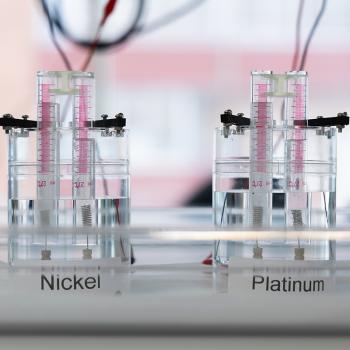
Key Findings from the PHOTOSINT Prototype Testing Report
Testing is a critical step in transforming innovative laboratory concepts into technologies with potential for industrial application. A recent report from the Institute of Chemical Research of Catalonia brings together the results of testing several prototype devices developed to produce renewable hydrogen and methanol using water, carbon dioxide and renewable energy.
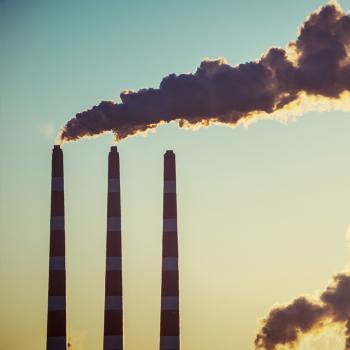
Comprehensive Assessment of the PHOTOSINT Process: Environmental, Safety and Economic Perspectives
The transition towards a climate-neutral energy system requires not only technological innovation but also a clear understanding of its environmental, safety, and economic implications
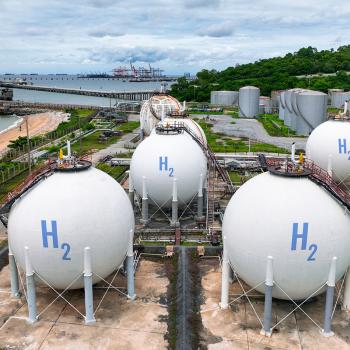
Advancing Hydrogen Storage for a Sustainable Energy Future
As Europe accelerates its transition towards a climate-neutral economy, hydrogen is increasingly recognised as one of the key building blocks of a future low-carbon energy system.

PHOTOSINT Advances Multidisciplinary Design Optimisation for Sustainable Fuel Production
The transition towards a climate-neutral economy requires more than breakthrough technologies. It also demands intelligent design approaches capable of ensuring that new energy solutions are efficient, economically viable, and environmentally sustainable.

PHOTOSINT Work Package 3: Advancing Solar Fuel Technologies Towards Industrial Demonstration
Earlier stages of the PHOTOSINT project focused on developing and validating key materials and components at laboratory scale. Work Package 3, Pilot design and testing activities under industrial environment, represents a crucial step towards real-world implementation through pilot design and testing activities to validate the technology at TRL 4, with the aim of integrating and preparing PHOTOSINT technologies for operating in industrially relevant environments.

PHOTOSINT Advances Catalyst Design for Renewable Fuel Production
The PHOTOSINT project has reached an important milestone in its mission to develop sustainable alternatives to fossil-based fuels. A recent project report presents the latest advances in the design, development, and evaluation of catalysts and electrodes that are essential for converting solar energy into renewable fuels such as hydrogen and methanol.
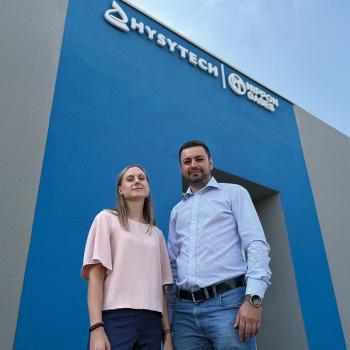
Interview with HYSYTECH – NIPPON GASES
HYSYTECH is the partner overseeing the scale-up of the PHOTOSINT technology from laboratory to industrial level, ensuring its technical feasibility, process efficiency, and readiness for future demonstration and industrial deployment. In this interview, Dr Mara Arduino and Dr Alexandru Morosanu provided a brief overview of their role in PHOTOSINT and the expected outcomes and challenges from the industrial perspective.

Interview with the coordinator – María Tripiana (IDENER)
María Tripiana is the coordinator of the project PHOTOSINT. In this interview, María provided her point of view of the project advances and future outcomes.

The PHOTOSINT MULTI-STAKEHOLDER PLATFORM is now active
A new tool has been launched by PHOTOSINT: the PHOTOSINT MULTI-STAKEHOLDER PLATFORM. It is a collaborative space for resources and science-based knowledge to support a sustainable energy transition.

Green and Blue Hydrogen, a Brief Comparison
Among low-carbon alternatives for energy intensive industrial sectors, green and blue hydrogen are consistently gaining attention. Despite being critical energy carriers, they differ significantly in their production methods, environmental performance and long-term sustainability. Understanding these differences is essential for guiding technology choices and investment strategies in the transition towards a fully renewable hydrogen economy.